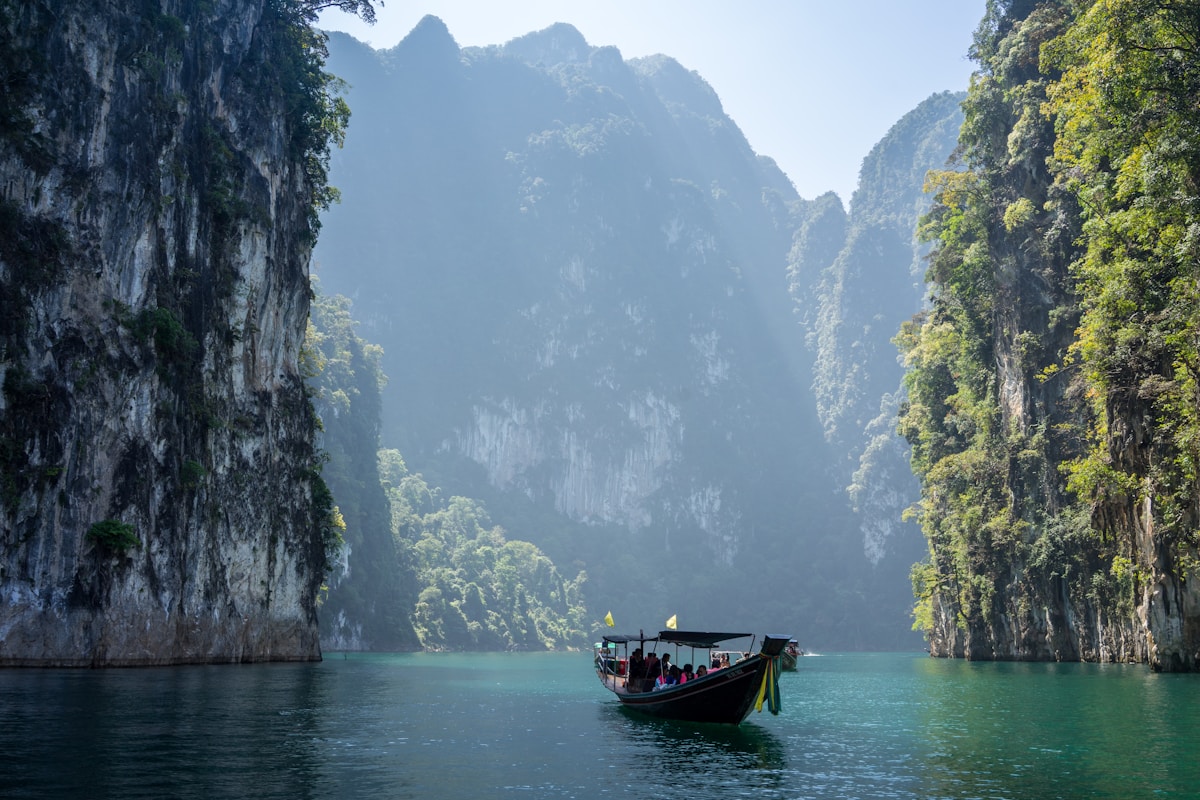
Abkhazia
Abkhazia declared independence from Georgia in 1992. Following the 1992–93 war and the 2008 Russo-Georgian War, Russia recognised Abkhazia as independent. It is recognised by only 5 UN member states (Russia, Nicaragua, Venezuela, Syria, and Nauru). Russia has issued passports to most of the population and maintains military bases. Abkhazia is effectively a Russian protectorate with nominal independence.
Key Fact
Abkhazia is recognised by Russia, Nicaragua, Venezuela, Syria, and Nauru — and no other UN member states. Russia maintains military bases there and has issued Russian passports to most of the population. The ~250,000 ethnic Georgians (Mingrelians) displaced in 1993 have not been allowed to return.
Historical Timeline
| Period | Ruling Authority | Notes |
|---|---|---|
| 1921–1991 | Soviet period | Abkhazia incorporated into Soviet Georgia 1931; Abkhaz language and culture suppressed under Stalin; Georgian settlement encouraged; Abkhaz population declines from majority to ~18% by 1989 |
| 1989–1991 | Independence movements | Georgian independence movement; Abkhaz counter-movement seeks separation from Georgia; ethnic tensions escalate; Abkhaz Supreme Soviet votes to restore 1925 constitution (effectively declaring sovereignty) |
| 1992–1993 | War | Georgian National Guard enters Abkhazia August 1992; Abkhaz forces backed by North Caucasian volunteers and Russian military equipment; Abkhaz forces capture Sukhumi September 1993; ~250,000 ethnic Georgians flee; ceasefire |
| 1994–2008 | Frozen conflict | CIS peacekeeping force (effectively Russian); UN Observer Mission (UNOMIG); periodic incidents; Georgian internally displaced persons unable to return; Abkhazia develops tourism economy |
| 2008 | Russo-Georgian War | August 2008: Russia recognises Abkhazia and South Ossetia following five-day war with Georgia; UNOMIG mandate ends; EU Monitoring Mission deployed to Georgia (not Abkhazia); Abkhazia becomes Russian protectorate in practice |
| 2008–present | Russian protectorate | Russia-Abkhazia Treaty on Alliance and Strategic Partnership (2014); Russian military bases formalised; Russian passports; Russian ruble as currency; Abkhazia's economy entirely dependent on Russia; Georgia's EU accession process complicates resolution |
Foreign Policy Analysis
Three-level analysis: systemic, state, and individual factors
Systemic Level
Abkhazia is a Russian-created and Russian-maintained frozen conflict. Russia's strategic interest is to prevent Georgia's NATO membership by maintaining territorial disputes that make Georgia ineligible under NATO's rules. The 2008 recognition was a direct response to Kosovo's 2008 independence declaration: Russia used Kosovo as a precedent while simultaneously arguing that Kosovo was a unique case. The EU's non-recognition policy and Georgia's EU accession process create a structural incentive for resolution, but Russia's military presence makes any resolution that does not accommodate Russian interests impossible.
State Level
Georgia's position is that Abkhazia is occupied Georgian territory and that Russia's recognition is illegal under international law. Georgia has offered Abkhazia the 'broadest autonomy' within Georgia. The Abkhaz de facto government's position is that independence is irreversible and that the 1993 displacement of ethnic Georgians cannot be reversed. Russia's position is that Abkhazia is an independent state that exercised its right to self-determination. Note: Georgian sources characterise 1992–93 as a Russian-backed war of aggression; Abkhaz sources characterise it as a war of independence against Georgian ethnic nationalism; Russian sources characterise it as a response to Georgian aggression. All three framings are politically motivated.
Individual Level
The Abkhaz population (~240,000) is ethnically diverse: Abkhaz, Armenians, Russians, and a small Georgian (Mingrelian) community. The ~250,000 displaced Georgians are the central unresolved human dimension. A generation of Abkhaz has grown up with Russian passports and Russian-language education. The Abkhaz political elite is divided between those who favour closer integration with Russia and those who seek genuine independence from all external powers.
Policy Paths
Three documented approaches to resolution — with their consequences
Broad Autonomy within Georgia
Georgia's offer: Abkhazia as an autonomous republic within Georgia with the broadest possible self-governance, including control over security forces and foreign economic relations.
Consequences
Rejected by the Abkhaz de facto government, which regards independence as irreversible. Requires the return of ~250,000 displaced Georgians, which the Abkhaz population regards as a demographic threat. Georgia's EU accession could make this option more attractive if it offers EU benefits to Abkhazia.
Examples
South Tyrol (1992): genuine autonomy within Italy. Aceh, Indonesia (2005): genuine autonomy ended a 30-year conflict.
Continued Russian Protectorate
The current de facto situation: Abkhazia as a nominally independent state entirely dependent on Russia, with Russian military bases and Russian passports.
Consequences
Sustainable as long as Russia maintains its current strategic posture. Russia's war in Ukraine has strained its capacity to maintain multiple protectorates. Georgia's EU accession process creates increasing pressure on this arrangement.
Examples
Transnistria: a similar Russian-maintained protectorate that has persisted for 30 years but is now under pressure from Moldova's EU accession.
EU-Mediated Settlement
A settlement negotiated under EU auspices as part of Georgia's EU accession process, offering Abkhazia EU benefits in exchange for a return to Georgian sovereignty.
Consequences
The most realistic path given Georgia's EU accession trajectory. Requires Russia's acquiescence, which is unlikely while Russia pursues its current strategic posture. The EU has no enforcement mechanism in Abkhazia.
Examples
Cyprus: EU membership was intended to incentivise reunification; it did not. The lesson is that EU membership incentives are necessary but not sufficient without Russian agreement.
Escalation / Russian Annexation
Russia formally annexes Abkhazia, as it did Crimea in 2014, ending the fiction of Abkhazian independence.
Consequences
Would trigger EU and US sanctions. Would end any prospect of Russian-Georgian normalisation. The Abkhaz population is divided on annexation; many prefer nominal independence to formal Russian territory.
Examples
Crimea (2014): Russian annexation of a territory it had previously recognised as Ukrainian. South Ossetia: increasingly integrated into Russia despite nominal independence.
Conditional Equilibrium
Abkhazia's frozen status is maintained entirely by Russian military presence and political will. Without Russia, the conflict would resolve rapidly in Georgia's favour or through a negotiated settlement. Russia's war in Ukraine has created new pressures: Russia needs resources and attention elsewhere, and the sanctions regime has reduced Russia's capacity to subsidise Abkhazia's economy. Georgia's EU accession process is the primary positive incentive for resolution, but it requires Russia to accept a settlement that removes its strategic foothold in the South Caucasus.
Escalation Risk
Probability assessment and specific trigger conditions for conflict escalation
The risk of renewed armed conflict between Georgia and Abkhazia is low given Russian military presence. The primary risk is a Russian decision to formally annex Abkhazia (as it did Crimea) or a Georgian military attempt to recover the territory if Russian capacity is sufficiently degraded by the Ukraine war.
Russian military capacity degradation
low probabilityIf Russia's military capacity is sufficiently degraded by the Ukraine war, Georgia might calculate that a military operation to recover Abkhazia is feasible. This would be extremely high-risk given Russia's nuclear arsenal.
Russian formal annexation
low probabilityRussia could formally annex Abkhazia as it did Crimea. The Abkhaz population is divided on this; some prefer nominal independence. Annexation would trigger EU and US sanctions.
Historical Analogue
Crimea 2014: a Russian-backed territory that was formally annexed after years of frozen status. The Abkhazia situation is structurally similar but the Abkhaz population has more resistance to full annexation than Crimea's population did.
Sources & Further Reading
Key academic works, primary documents, and institutional reports cited in this analysis. Sources are drawn from multiple national and institutional perspectives; where sources conflict, the divergence is noted.
As an Amazon Associate, frozenconflicts.org earns from qualifying purchases. Book links support the site at no extra cost to you.
Small Nations and Great Powers: A Study of Ethnopolitical Conflict in the Caucasus
Cornell, S. · 2001
Comprehensive analysis of Caucasus conflicts; covers Georgian, Abkhaz, and Russian perspectives
Find on AmazonEuropeanization and Conflict Resolution: Case Studies from the European Periphery
Coppieters, B. et al. · 2004
Analysis of EU engagement with frozen conflicts; includes Abkhazia chapter
Find on AmazonAbkhazia: The Long Road to Reconciliation
International Crisis Group · 2013
Field research-based analysis; covers both Georgian and Abkhaz perspectives
Resolution 876 (1993) on Abkhazia
UN Security Council · 1993
Primary source: the resolution establishing the UN Observer Mission