Knowledge Base

All Cases

17 conflicts documented across 4 regions

Showing 17 of 17 cases

Deep Analysis Cases

South Tyrol
Resolved

South Tyrol

Europe · Italy / Austria · Since 1919

A German-speaking Alpine region transferred from Austria to Italy after WWI without consulting its population. After decades of resistance and a bombing campaign, a genuine autonomy arrangement was achieved by 1992 — making South Tyrol Italy's wealthiest province. Yet independence sentiment has periodically resurfaced, illustrating that resolution is a conditional equilibrium, not a permanent settlement.
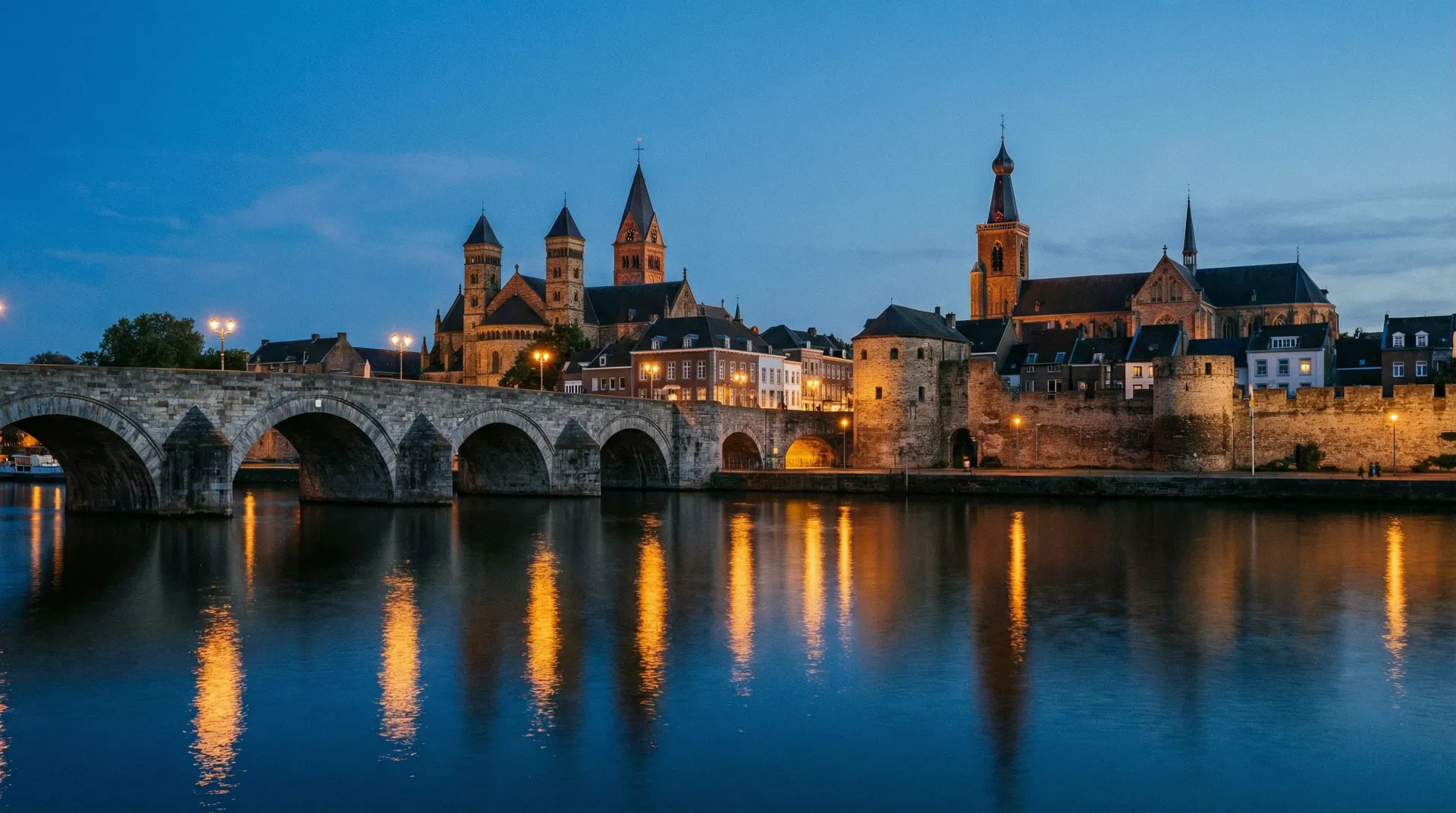
Maastricht / Limburg
Resolved

Maastricht / Limburg

Europe · Netherlands / Belgium · Since 1830

Maastricht was itself a frozen conflict for eight years (1830–1839), held by a Dutch garrison while the surrounding countryside aligned with the Belgian revolution. The 1839 Treaty of London partitioned Limburg between two states, dividing a coherent cultural and linguistic region. In 1992, Maastricht became the birthplace of the European Union — the supranational framework designed to make such conflicts structurally less likely. Yet even here, linguistic and cultural grievances that were never fully addressed continue to resurface.

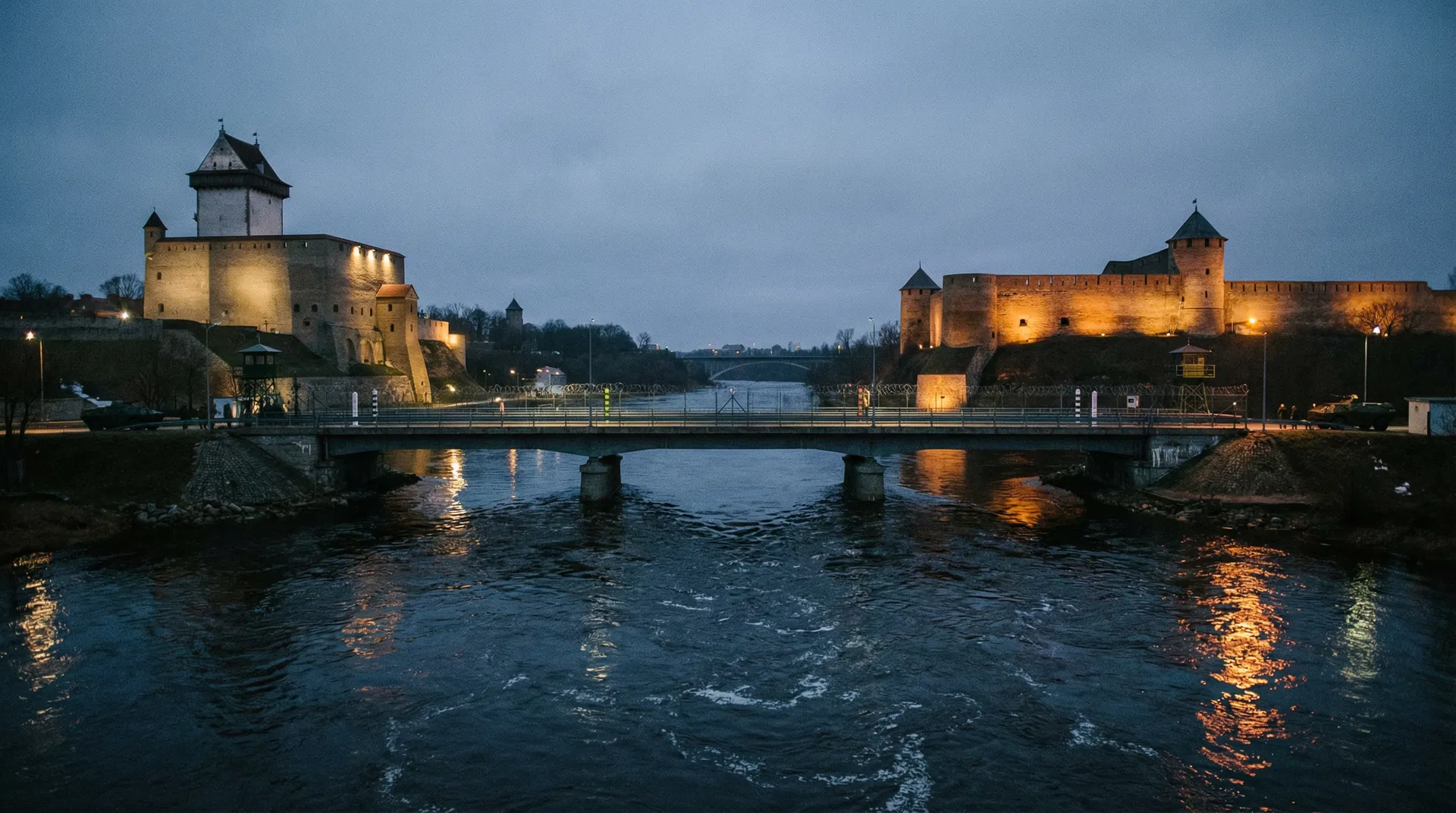
Narva
Potential

Narva

Europe · Estonia / Russia · Since 1991

Narva is Estonia's most consequential foreign policy question that is not yet a crisis. With ~90% Russian-speaking population on NATO's eastern border, the city represents a decision point. The current population was not brought to an existing Estonian city — they were brought to a ruin destroyed by Soviet bombing in 1944 and built their lives there across multiple generations. Estonia faces three documented paths: assimilation, financial incentives, or the autonomy model.

Transnistria
Unresolved

Transnistria

Europe · Moldova / Transnistria (PMR) · Since 1992

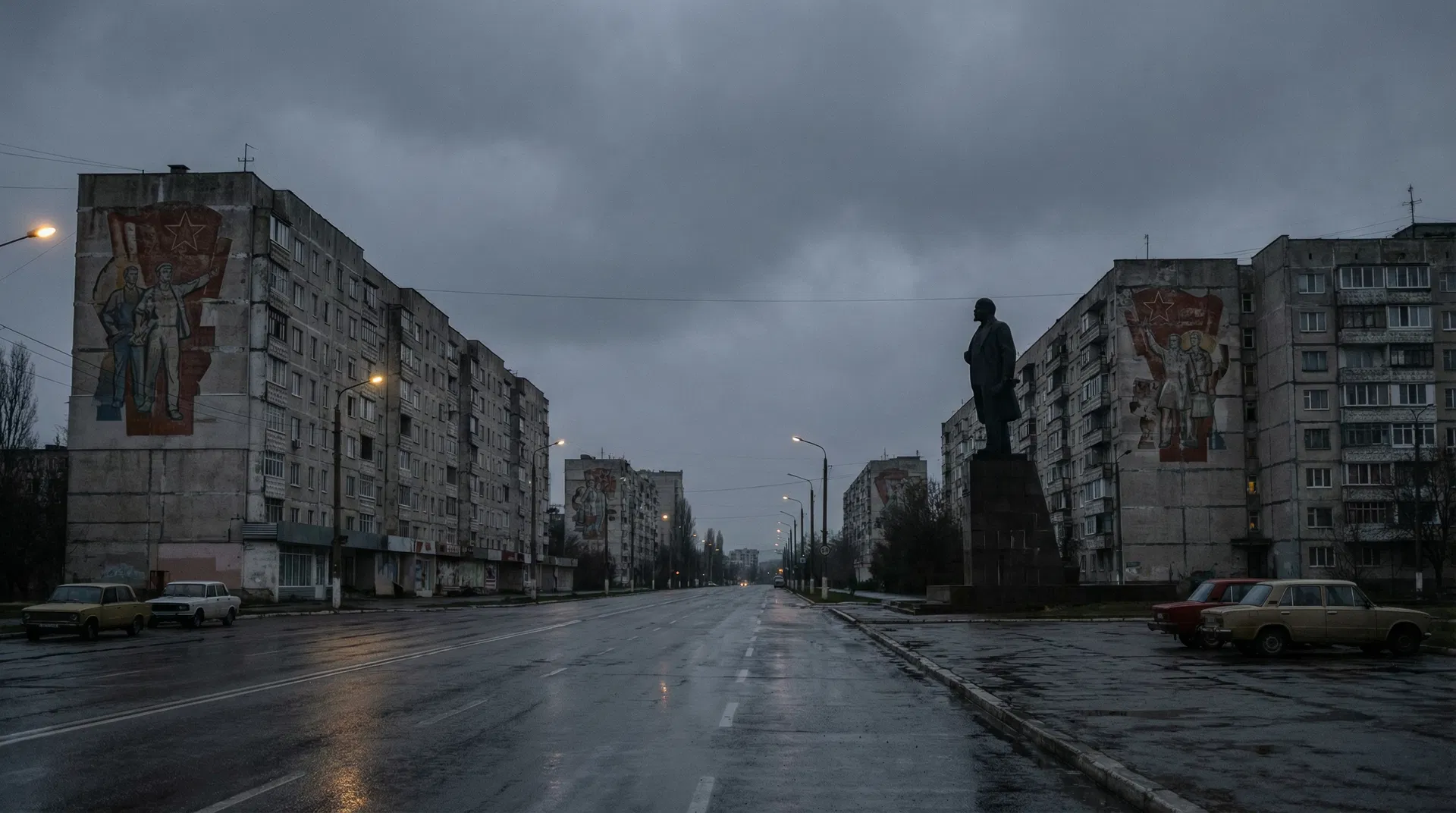
Tiraspol was founded in 1792 by Russian imperial General Suvorov as a military fortress, on the site of a Moldavian village of six houses. The Pridnestrovian Moldavian Republic (PMR) has been frozen since the 1992 war, entirely dependent on Russian energy subsidies. Moldova's 2022 EU accession candidacy creates a structural opportunity analogous to the conditions that enabled the South Tyrol resolution.

Kosovo
Escalated

Kosovo

Europe · Serbia / Kosovo · Since 1989

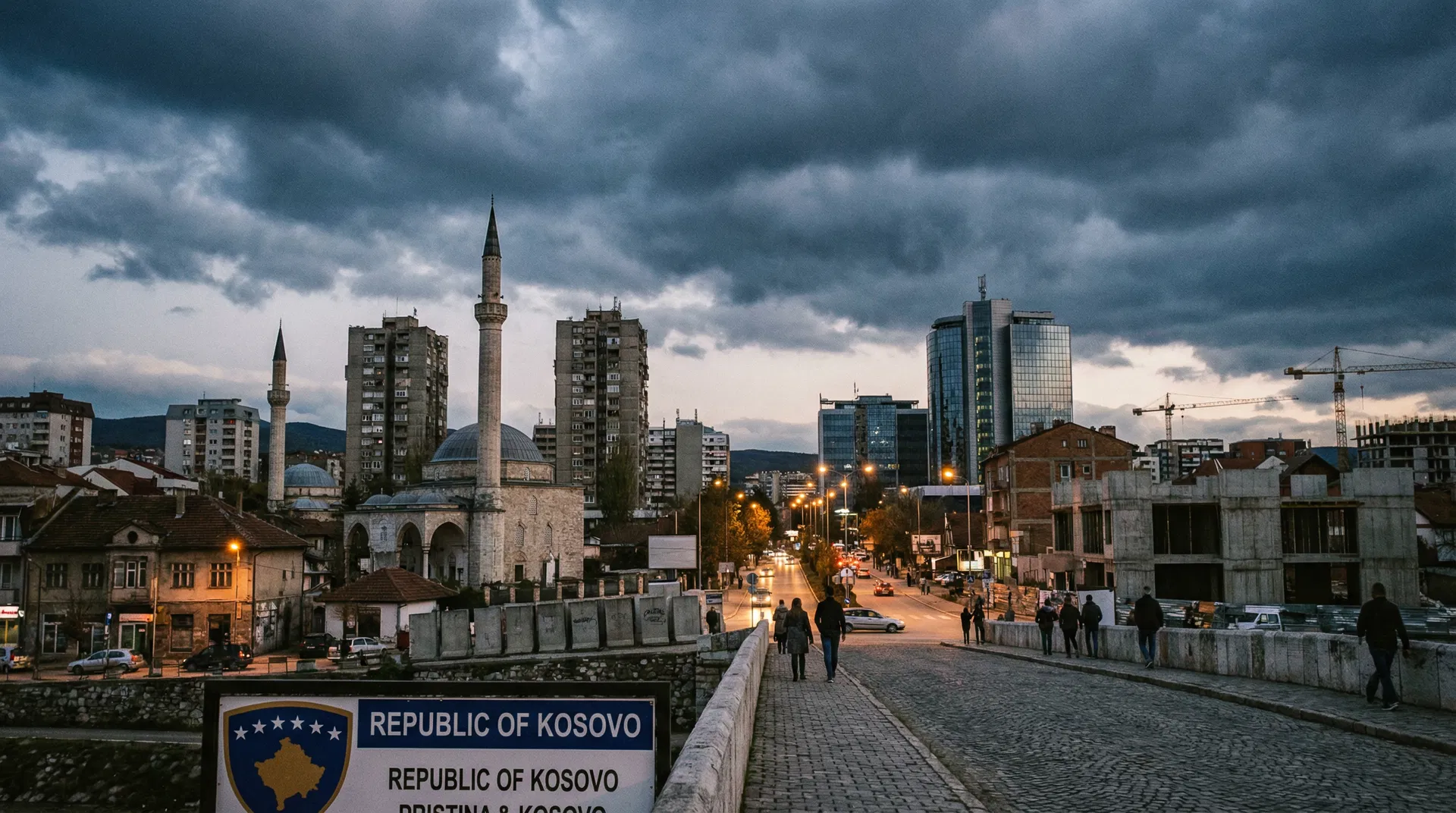
Kosovo is examined as a warning case — a frozen conflict that escalated to full-scale war following the systematic suppression of minority language and cultural rights. The 1974 Yugoslav constitution represented a near-resolution: genuine autonomy, Albanian-language institutions, cultural recognition. The revocation of that autonomy by Milošević in 1989 — with tanks surrounding the assembly — removed the institutional framework that had made coexistence possible. The decade that followed demonstrated the consequences with precision.

Catalonia
Unresolved

Catalonia

Europe · Spain / Catalonia · Since 2010

Catalonia is a nation within Spain with its own language, culture, and distinct historical identity stretching back to the medieval County of Barcelona. The 2006 Statute of Autonomy — negotiated and approved by referendum — was substantially curtailed by Spain's Constitutional Court in 2010. That ruling triggered the modern independence movement: support for independence rose from ~15% to over 45% within three years. The 2017 independence referendum, held despite a violent police crackdown, produced a declaration of independence that lasted nine days before Madrid imposed direct rule. The conflict remains unresolved.

Northern Ireland
Unresolved

Northern Ireland

Europe · United Kingdom / Ireland · Since 1921

Northern Ireland was partitioned from the Irish Free State in 1921, creating a Protestant-majority statelet within the United Kingdom. Decades of structural discrimination against the Catholic minority produced the civil rights movement of the late 1960s, which escalated into the Troubles — a 30-year armed conflict between republican paramilitaries, loyalist paramilitaries, and British security forces. The Good Friday Agreement (1998) ended the violence and created a power-sharing government, but the underlying sovereignty question was explicitly left open: a border poll on Irish unification can be called if a majority appears to favour it. Brexit has fundamentally destabilised the GFA settlement by reintroducing a border question the agreement had made irrelevant.

Cyprus
Unresolved

Cyprus

Europe · Cyprus / Turkey · Since 1974

The northern part of Cyprus has been under de facto Turkish control since the 1974 Turkish military intervention. The Turkish Republic of Northern Cyprus (TRNC) is recognised only by Turkey. Reunification talks have repeatedly failed, most recently in 2017 at the Crans-Montana conference. Cyprus is the only divided EU member state, and the conflict predates the post-Soviet wave of frozen conflicts by 15 years.

Western Sahara
Unresolved

Western Sahara

Africa · Morocco / Sahrawi Arab Democratic Republic · Since 1991

Western Sahara is Africa's last major decolonisation question. Spain withdrew in 1975; Morocco and Mauritania divided the territory. The Polisario Front, backed by Algeria, fought a guerrilla war until a 1991 ceasefire. A UN-promised self-determination referendum has been delayed for over 30 years. Morocco controls ~80% of the territory and has invested heavily in infrastructure to consolidate its claim. The US recognition of Moroccan sovereignty in 2020 fundamentally altered the international diplomatic landscape.

Kashmir
Unresolved

Kashmir

Asia · India / Pakistan / China · Since 1949

Kashmir is one of the world's most dangerous frozen conflicts: three nuclear-armed states claim parts of the former princely state of Jammu and Kashmir. India administers ~55% (including the Kashmir Valley), Pakistan ~30% (Azad Kashmir and Gilgit-Baltistan), and China ~15% (Aksai Chin and the Trans-Karakoram Tract). India and Pakistan have fought three full wars and one limited war over the region. India's 2019 revocation of Article 370 — which had granted Jammu and Kashmir special autonomous status — fundamentally altered the conflict's internal dimension.

Korean Peninsula
Unresolved

Korean Peninsula

Asia · North Korea / South Korea · Since 1953

The Korean War ended in 1953 with an armistice, not a peace treaty. Both Koreas officially claim the entire peninsula. The DMZ remains one of the world's most heavily fortified borders. North Korea has developed nuclear weapons and intercontinental ballistic missiles since the freeze, making this the only frozen conflict where both sides' patron states possess nuclear weapons and where the breakaway entity itself has nuclear capability.

Taiwan Strait
Unresolved

Taiwan Strait

Asia · China / Taiwan · Since 1949

The conflict between mainland China and Taiwan has been frozen since 1949. Taiwan functions as a de facto independent state with its own government, military, currency, and democratic institutions — but is recognised as a sovereign state by only 12 UN member states. China has never renounced the use of force to achieve reunification. The Taiwan Strait is one of the world's most strategically significant waterways, and a military conflict over Taiwan would have global economic consequences through semiconductor supply chain disruption.

Abkhazia
Unresolved

Abkhazia

Europe · Georgia / Abkhazia · Since 1993

Abkhazia declared independence from Georgia in 1992. Following the 1992–93 war and the 2008 Russo-Georgian War, Russia recognised Abkhazia as independent. It is recognised by only 5 UN member states (Russia, Nicaragua, Venezuela, Syria, and Nauru). Russia has issued passports to most of the population and maintains military bases. Abkhazia is effectively a Russian protectorate with nominal independence.

South Ossetia
Unresolved

South Ossetia

Europe · Georgia / South Ossetia · Since 2008

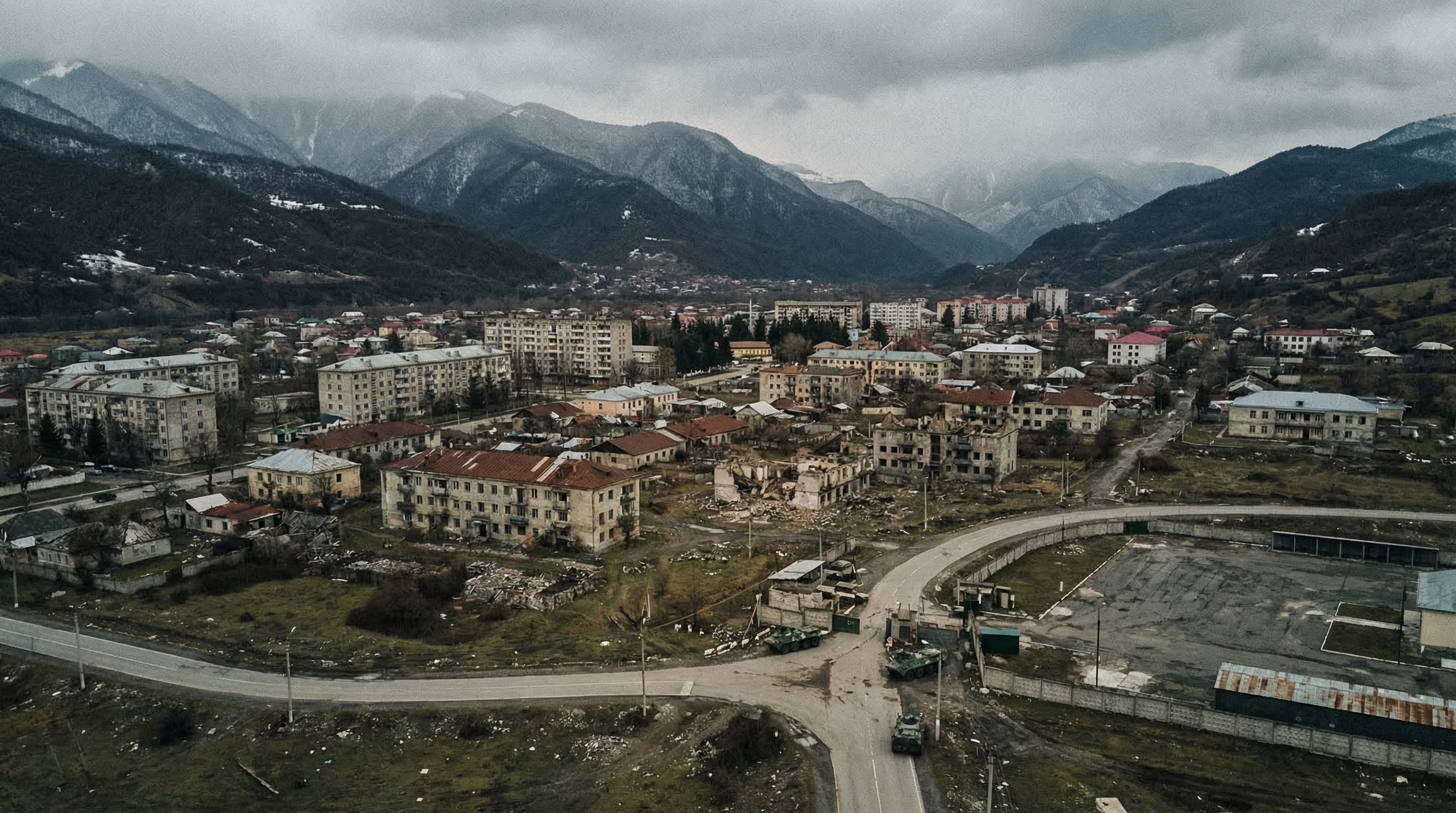
South Ossetia declared independence from Georgia in 1990. Following the 2008 Russo-Georgian War, Russia recognised South Ossetia as independent. The territory is heavily dependent on Russia and has been largely depopulated. Unlike Abkhazia, South Ossetia has no viable independent economy and is effectively a Russian military outpost on Georgian territory, with a population that has declined dramatically since 2008.

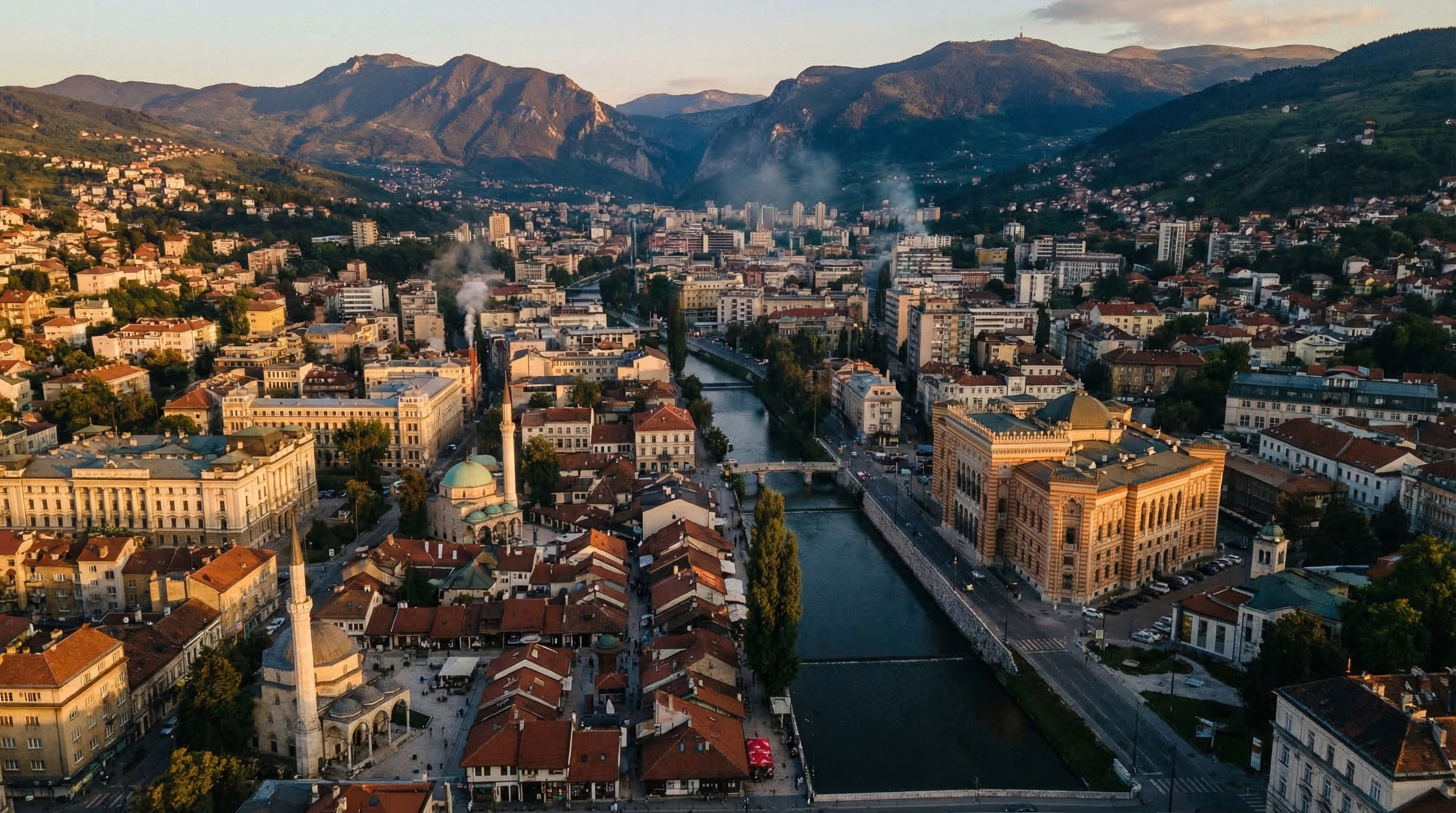
Bosnia / Republika Srpska
Unresolved

Bosnia / Republika Srpska

Europe · Bosnia and Herzegovina · Since 1995

The Dayton Agreement of 1995 ended the Bosnian War but created a deeply dysfunctional state divided between two entities: the Federation of Bosnia and Herzegovina and Republika Srpska. Rather than resolving the underlying sovereignty dispute, Dayton institutionalised it: Republika Srpska functions as a quasi-state with its own president, parliament, and army, while Bosniak and Croat politicians contest the state's direction. Republika Srpska's leadership has repeatedly threatened secession and has systematically undermined Bosnian state institutions.

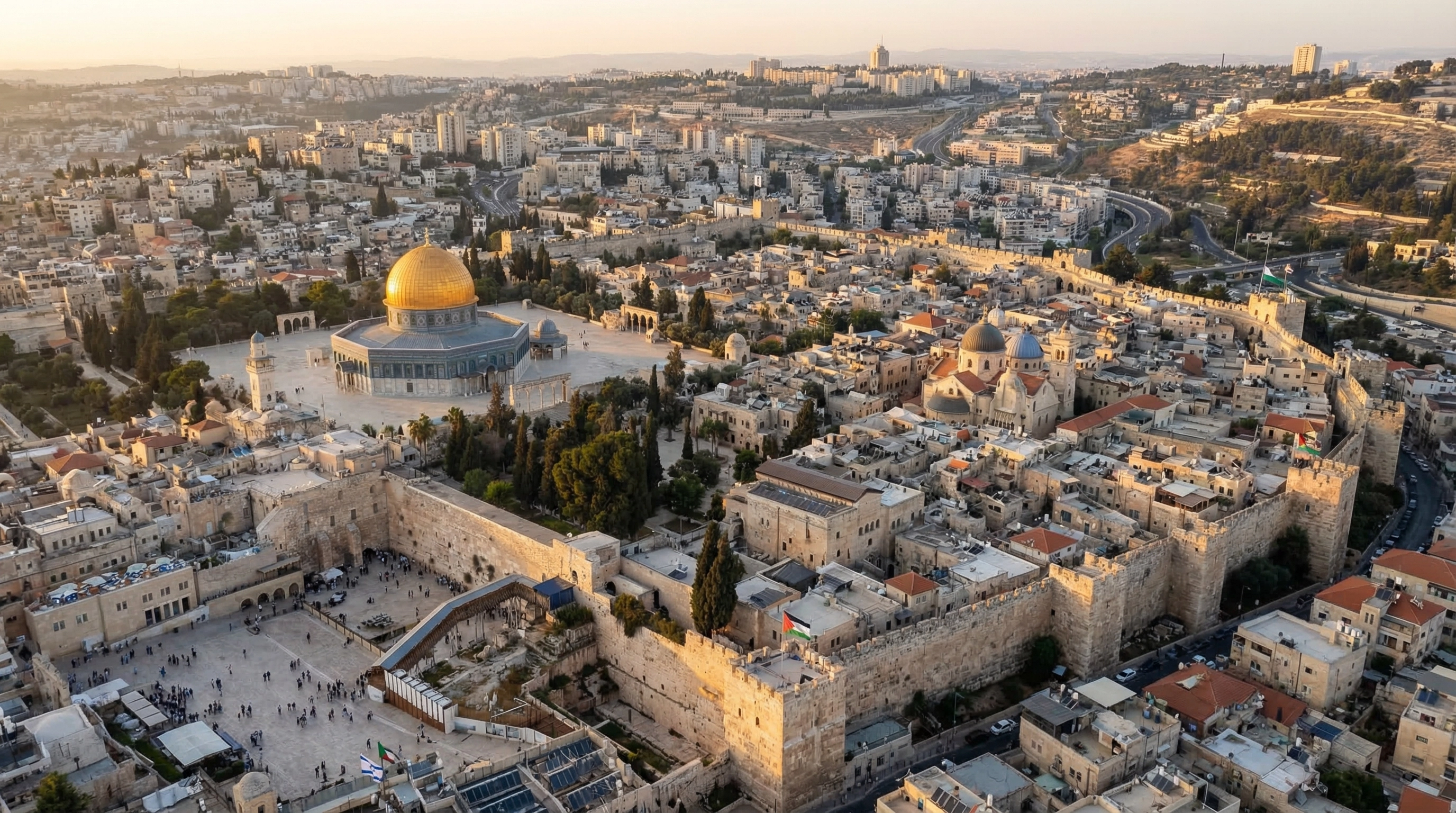
Israel / Palestine
Unresolved

Israel / Palestine

Middle East · Israel / Palestinian Territories · Since 2002

The Israeli-Palestinian conflict is the most documented and most analysed conflict in this database, and also the most politically contested in terms of how it is framed. The conflict has been frozen in its current form since the collapse of the Oslo peace process and the Second Intifada in 2002. The Gaza Strip has been under Hamas control since 2007. The West Bank remains under Israeli military occupation with expanding settlements. The October 2023 Hamas attack and subsequent Israeli military campaign in Gaza have fundamentally altered the conflict's trajectory and produced a humanitarian catastrophe.

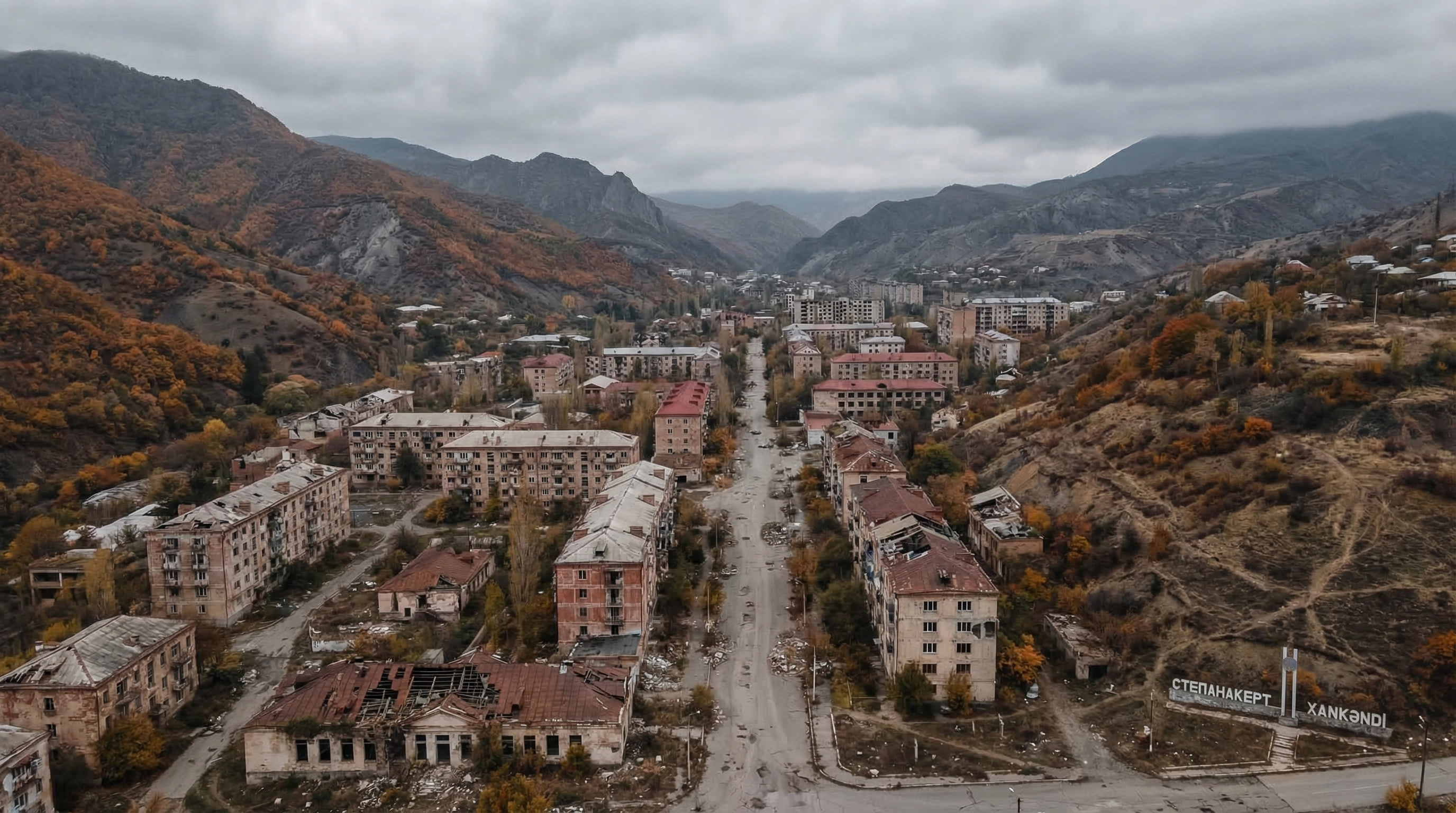
Nagorno-Karabakh
Escalated

Nagorno-Karabakh

Asia · Azerbaijan / Armenia · Since 1994

Nagorno-Karabakh was a frozen conflict from 1994 until Azerbaijan's 2020 and 2023 military offensives. The Republic of Artsakh dissolved in September 2023 following the 2023 Azerbaijani offensive, ending the conflict through violent thawing. Over 100,000 ethnic Armenians fled to Armenia within days. Nagorno-Karabakh is the most important recent case study in this database: it demonstrates that a frozen conflict can end through violent thawing even after 30 years of freeze, and that the international community's failure to implement a negotiated solution creates conditions for exactly this outcome.